How to Build a Multi-Channel Outreach Sequence (and Automate the Boring Parts).

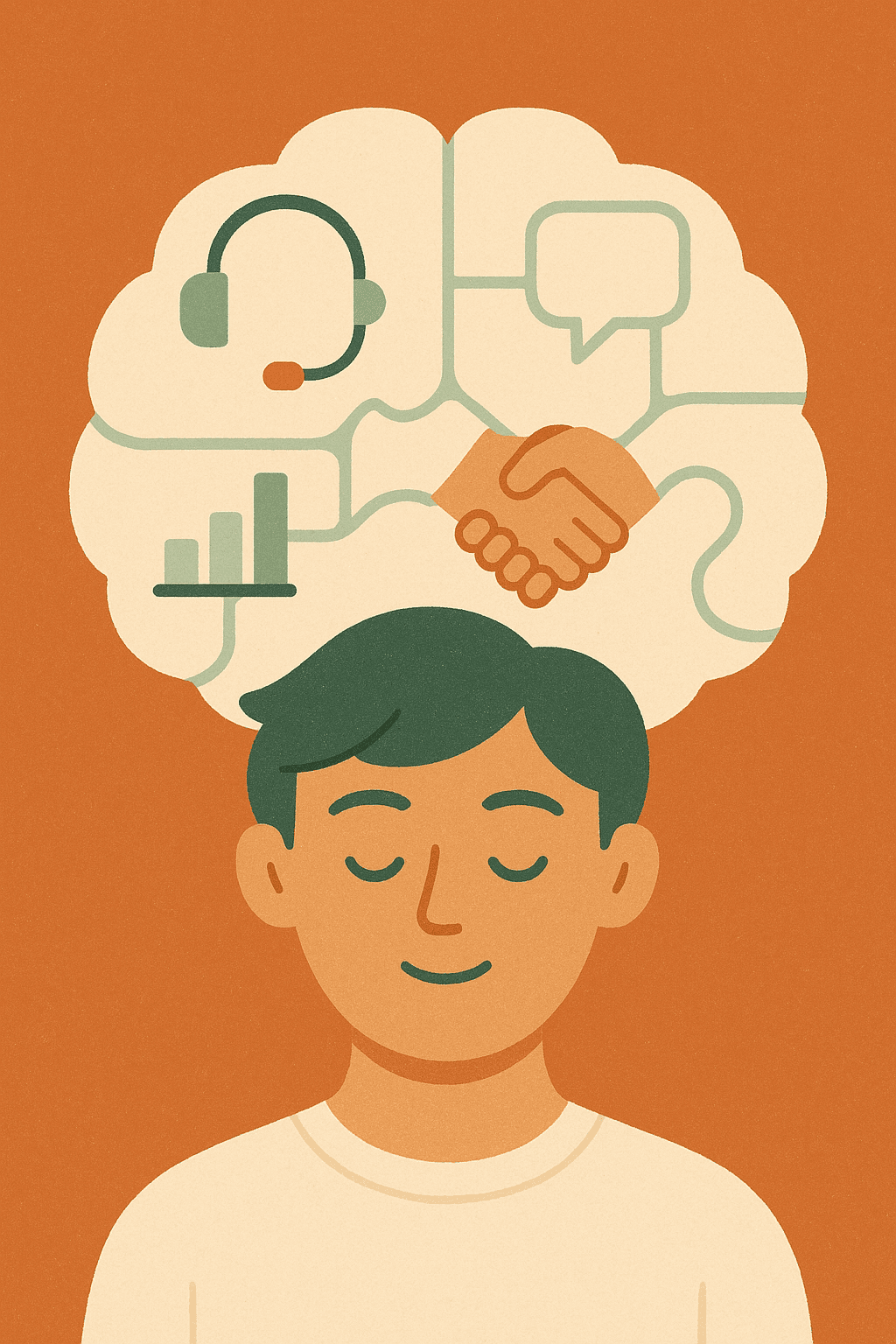
A multi-channel outreach sequence is just one plan that uses calls, email, LinkedIn and video together. Most of us pick one channel and hammer it. We send the same email five times, or call and call and call. Then we wonder why nobody replies. One channel on its own is easy to ignore. When you join them up, you show up everywhere the buyer looks, and you start to feel hard to miss. The good news is this is a skill, not a knack. You can learn it this week.
The mistake most people make
Most people use each channel on its own, and do every step by hand. They live in their inbox all day. They send one email, wait, send another, copy and paste, repeat. The call and the LinkedIn note never talk to each other. Each touch feels random, so the buyer never connects the dots. Worse, the by-hand work eats your day. You spend hours on copy and paste and have no time left to actually sell. Busy is not the same as effective.
What good outreach looks like
Good sellers do the opposite. They pair channels on purpose. A call, then an email, then a LinkedIn note, then a short video, all about one account and all telling one story. Each touch refers back to the last one, so it feels joined up, not spammy. And they let software do the boring repeats. The reminders, the follow-ups, the same note to ten people. That frees them to spend their best hours on real conversations.
How to do it

Plan one account across three channels
Pick a single account. Map out three touches in a row, on three different channels. Write them one after another so they feel like one plan, not three random pokes.
"Day 1, I call Sam at meritt. Day 2, I email. Day 4, I send a LinkedIn note."

Order them so each one refers back
Don't start fresh every time. Make each message point to the last one. That turns scattered touches into a story the buyer can follow.
"Tried to reach you earlier, Sam. As I said on the phone, here's the one number that surprised me."

Automate the repeats, not the relationship
Hand the boring, repeated steps to software. Reminders, the same intro to ten people, the 'did you see this' follow-up. Keep the personal lines human and do those yourself.
Let a tool fire the follow-up reminder, but you write the line about Sam's team.
See the difference
Email one. No reply. Email two, same words. No reply. Email three, same words again. You never call, never use LinkedIn, and you copy and paste every line by hand. It all looks the same, so it all gets deleted.
"Day 1, I call Sam at meritt and leave a short voicemail. Day 2, I email and say 'tried to catch you earlier.' Day 4, I send a LinkedIn note that points back to the email. Day 6, a 30-second video." A tool reminds me when each step is due, so nothing slips.
Same effort, far better result. The strong version joins up, builds on itself, and runs on rails so you never drop a step. That's why Sam finally replies.
How you'll know it's working
You've got this when you pair calls, email, LinkedIn and video, and let software handle the repeats. Look at your last week of outreach. Did any account get more than one channel? Did each touch build on the last? Did a tool catch the follow-ups so you didn't have to? If yes, you're there. You'll feel it too. Less copy and paste, more real talking, and more replies. That's a skill you'll lean on for your whole career.
Questions people ask
What is a multi-channel outreach sequence?
A multi-channel outreach sequence is one plan that reaches a buyer across more than one channel, like calls, email, LinkedIn and video, in a set order. Each touch refers back to the last, so it feels like one story instead of random pokes. It works better than a single channel because you show up in more than one place the buyer looks.
How many channels should I use in a sequence?
Start with three. A call, an email, and a LinkedIn message for the same account is plenty to feel joined up without feeling like a swarm. Add a short video as a fourth touch once the basics feel easy. The point is not more channels for their own sake. The point is that the touches build on each other and tell one clear story.
What parts of outreach should I automate?
Automate the boring repeats, not the relationship. Let software handle reminders, follow-up timing, and sending the same intro to a list of people. Keep the personal lines human, the bit about the buyer's team or their numbers. Done right, automation buys back the hours you used to lose to copy and paste, so you spend more time in real conversations.
Won't automation make my outreach feel like spam?
Not if you use it for timing, not for thinking. Spam comes from sending the same generic message to everyone with no thought. Automation just fires the steps on time and reminds you when one is due. You still write the lines that mention the person and why you called. Keep that part human and your sequence feels personal, even when a tool runs the schedule.
Hire with Assessment.
£7-10k flat fee. The methodology, delivered.
See Hire with Assessment