How to Run an Executive Meeting as a Two-Way Talk.

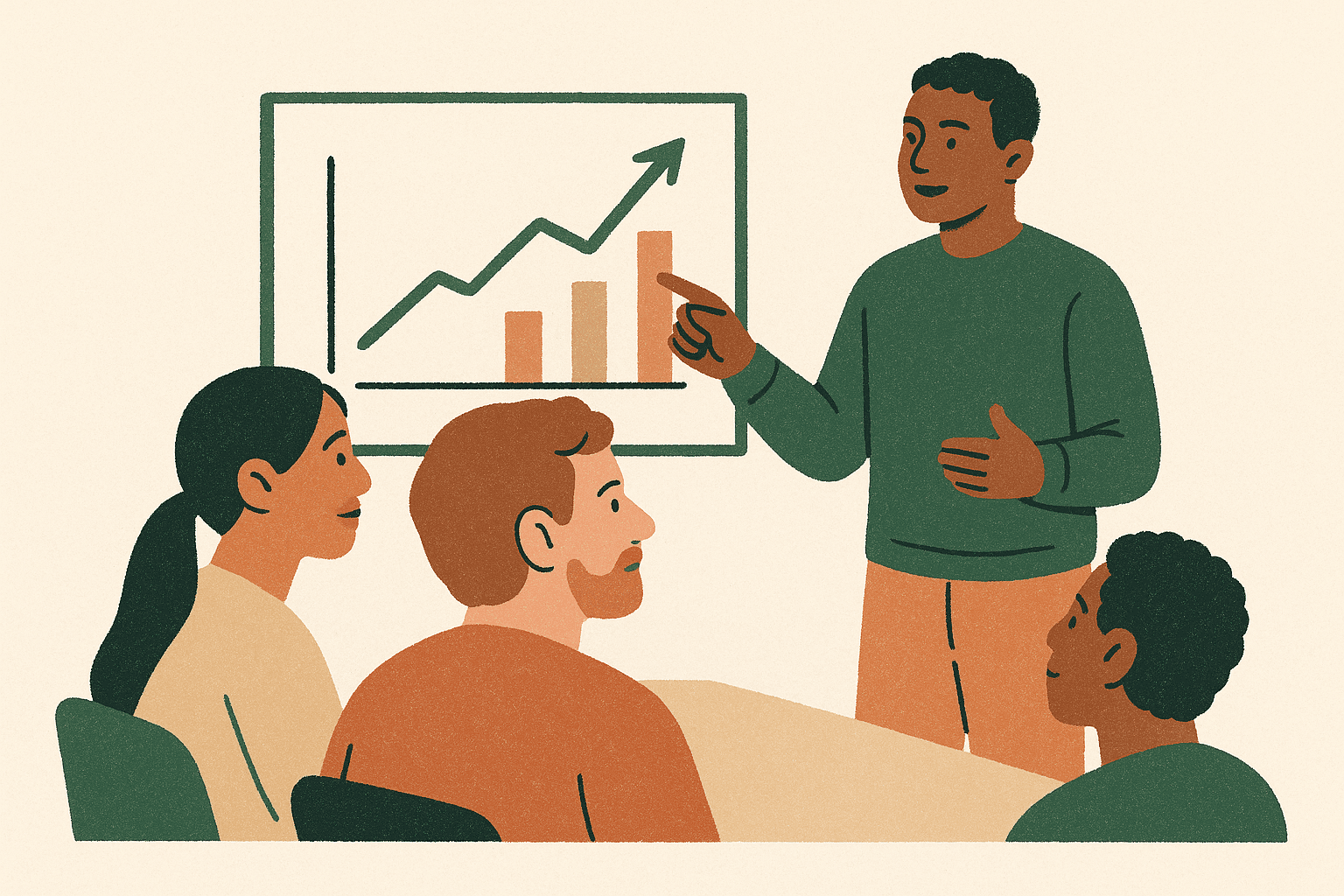
You finally got the meeting with the senior buyer. Big moment. So you load up your slides and you start talking. And you keep talking. Twenty minutes later, they check their phone. Here is the thing I wish someone had told me early on: a leader did not clear their calendar to watch a show. They came to have a real talk. Your job is to run that talk, not perform at them.
The mistake most people make
Most people talk at the buyer instead of having a back-and-forth. You walk in with a deck and you treat it like a script you have to finish. So you present. You explain. You fill every silence with another point. The buyer sits there and nods, but they are not in the room with you. They are waiting for it to end. A leader's time is the most expensive thing in the building, and you just spent it talking. That is how good deals quietly go cold.
What good sounds like
Good sellers run the meeting as a focused two-way talk. They open with a question, not a slide. They ask, then they go quiet and really listen. The buyer ends up doing half the talking, sometimes more. It feels less like a pitch and more like two people working a problem together. You leave knowing things you could not have guessed, and the buyer leaves feeling heard. That is what gets you the next meeting.
How to do it

Open with a question, not a slide
Skip the warm-up monologue. Ask something real in the first minute and hand them the floor.
Before I show you anything, can I ask what made you take this meeting? I want to make sure we spend the time on what matters to you.

Prepare three questions that move the deal forward
Not questions that just feed you facts. Questions that make the buyer think and pull the deal along. Write them down before you walk in.
If this worked the way you hoped, what would change for your team in six months?

Listen, then build on their words
After you ask, stop. Let the silence sit. Then use their own words in your next line so they know you heard them, not just waited for your turn.
You said hiring the wrong reps is the thing keeping you up. Tell me more about the last time that happened.
See the difference
Thanks for the time. So meritt is an AI-native sales hiring platform. On this slide you can see our scoring, and on the next one our assessment flow, and then I'll walk you through our matching engine, and... Twenty minutes in, the buyer has said eleven words and is glancing at the clock.
Thanks for making time. Before any slides, what made you take this meeting? ... You said you keep hiring reps who look great and then miss quota. What does that cost you over a year? ... Okay. Let me show you the one thing we built for exactly that.
Same product. Same person. But the strong version turns the buyer from an audience into a partner. They are leaning in because the meeting is about them, not about you.
How you'll know it's working
You have got this when the meeting runs as a focused two-way talk. Check it after your next one. Did the buyer talk at least as much as you did? Did you learn something you did not know walking in? Did they ask you a question back? If yes, you ran a talk, not a show. Senior buyers remember the people who made the meeting about them, and those are the people who get the next call.
Questions people ask
How do you run a meeting with a senior buyer?
Run it as a two-way talk, not a pitch. Open with a real question in the first minute, then listen more than you speak. Prepare three questions that make the buyer think and move the deal forward, and build on their own words when you reply. A senior buyer came to work a problem with you, not to watch a slideshow.
Should I lead with slides in an executive meeting?
No. Lead with a question, not a slide. A senior buyer cleared their calendar to talk, not to be presented at, so opening with a deck wastes their time. Ask what made them take the meeting first, let them answer, and only show a slide once you know what they actually care about. The slides support the talk, they do not replace it.
What questions should I ask an executive buyer?
Ask questions that move the deal forward, not ones that just inform you. Good ones make the buyer think about the future or the cost of doing nothing, like "If this worked, what would change for your team in six months?" or "What does this problem cost you over a year?" Write three of them down before the meeting so you are not improvising.
How do I keep an executive meeting from turning into a monologue?
After you ask a question, stop talking and let the silence sit. Resist filling it. When the buyer answers, use their own words in your next line so they know you listened. Aim for the buyer to do at least half the talking. If you are presenting for more than a couple of minutes without a reply, you have slipped back into a monologue.
Hire with Assessment.
£7-10k flat fee. The methodology, delivered.
See Hire with Assessment