How to Map the Decision-Makers in a Deal.

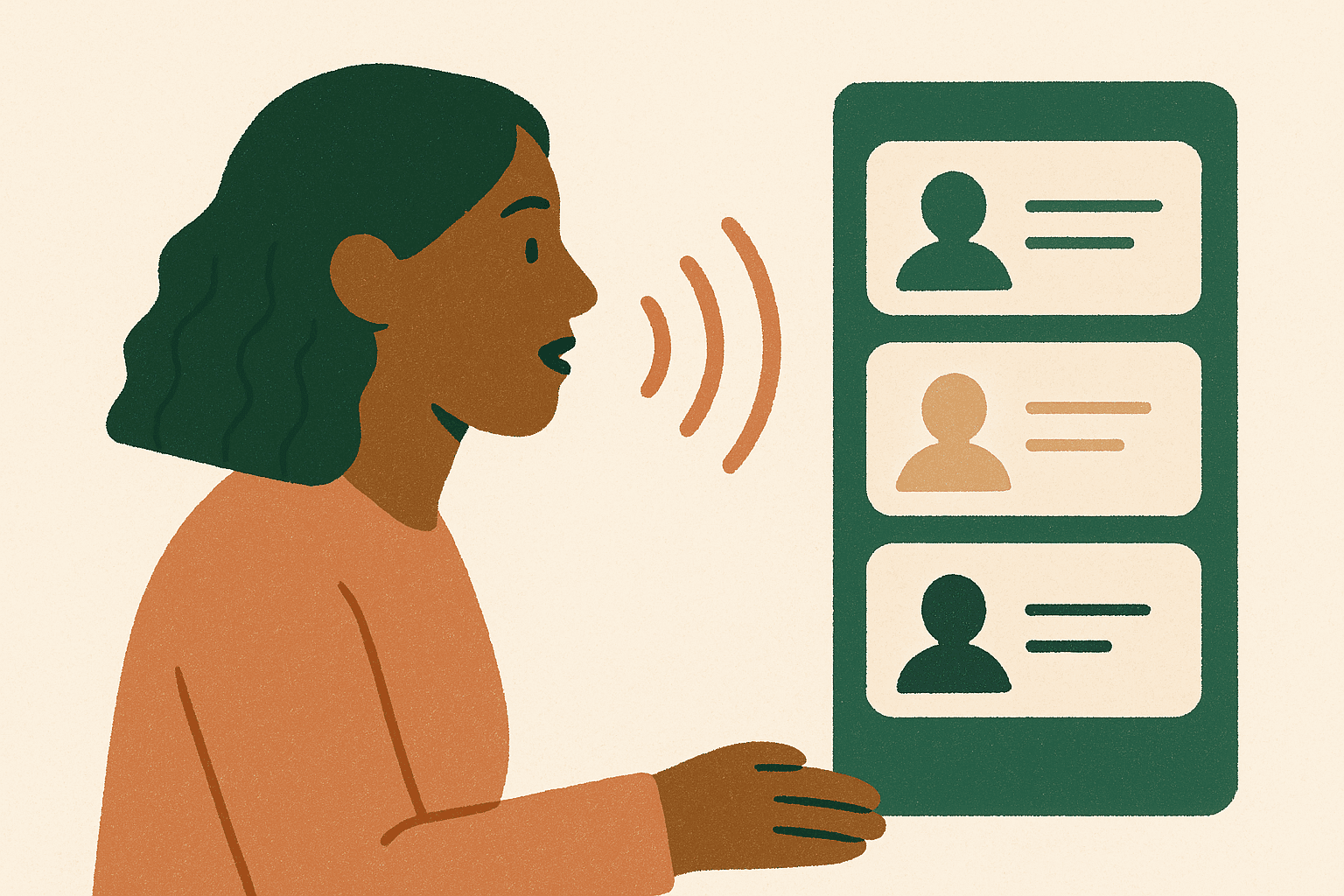
Here is a hard truth that catches good salespeople out. The person you talk to most is often not the person who decides. You build a great relationship with one contact, the calls feel warm, and then the deal goes quiet. What happened? Someone you never met said no. Mapping the decision-makers in a deal is the skill that stops that from happening. It is mostly curiosity, and you can learn it.
The mistake most people make
Most people know one contact and assume they speak for the whole company. You find a friendly person, they like your product, and you relax. In your head, this deal is basically done. But behind that one friendly face sit other people. A boss who holds the budget. A teammate who has to use the thing. Maybe someone in finance or legal. You never asked who they were. So when they raise a hand, you are not in the room to answer.
What good mapping looks like
Good salespeople can name the key people who help make the decision. Not just your main contact, but the boss, the budget holder, and anyone who can say no. You know their roles. You know who pushes the deal forward and who could slow it down. You have this written down, not just floating in your head. It is not about charming everyone at once. It is about knowing who they are before a surprise no finds you.
How to do it

List every person in the deal by role and influence
For each open deal, write down everyone involved. Next to each name, note their job and how much sway they have. This is the medium-effort step, so give it real time. A short list beats a head full of guesses.
Dana, my main contact, user. Priya, her boss, holds the budget. Sam in finance, can block it.

Mark who can say no
Look down your list and spot the people who could stop the deal cold. A budget holder. A nervous user. Someone in legal. These are the names you most need to win over, so flag them now.
Sam in finance can block this on price. That's my biggest risk.

Check your map with one contact
This is the low-effort, high-value step. Show your list to the contact you trust and ask if anyone is missing. People will happily fill the gaps when you ask plainly.
Dana, I want to make sure I haven't missed anyone. Who else weighs in on a call like this?
See the difference
You spend three weeks talking only to Dana. She loves it. Then an email arrives: "We've decided to hold off for now." You never learn why. The real no came from Sam in finance, a name you never even wrote down. The deal dies and you are guessing about what went wrong.
In week one you map the room. You spot Sam as the budget risk early. You ask Dana to introduce you, you answer his price worry head on, and he stops being a hidden no. Same deal, same contact, very different ending. You saw the whole room, so nothing came at you from the dark.
Mapping the room early turns surprise rejections into risks you can see coming and handle in time.
How you'll know it's working
You've got this when you can name the key people in any live deal off the top of your head. Try it now. Pick a deal and list them. The boss, the budget holder, the user, anyone who can say no. If you can rattle them off and you know their roles, you are there. If you go blank after one name, that is your signal to go ask. This skill turns surprise rejections into things you saw coming.
Questions people ask
How do I map the decision-makers in a deal?
List every person involved in the deal, then note each one's role and how much influence they have. Mark anyone who could say no, like a budget holder or a nervous user. Then check your list with a trusted contact and ask who is missing. This simple map, built from meritt's curiosity-led approach, stops a hidden "no" from killing a deal you thought was won.
Why does it matter to know everyone involved in a deal?
Because the person you talk to most is often not the one who decides. One friendly contact rarely speaks for a whole company. A boss, a budget holder, or a quiet teammate can stop the deal. And you never get a chance to answer their worry. Knowing all of them lets you handle objections you would otherwise never hear.
How many people should I expect in a buying decision?
It varies, but most business deals involve more than one person, often several. There is usually a main contact, their boss, someone who holds the budget, and the people who will actually use what you sell. Larger or pricier deals tend to pull in even more, like finance or legal. Always assume there is more than one voice until you have checked.
What if my contact won't introduce me to other people?
Start small and stay curious, not pushy. You do not need a meeting with everyone. Just ask your contact to name the others and explain their role. Most people answer that happily. If they hold back, that is a useful signal. The deal may not be as solid as it feels. Better to know that early than late.
Hire with Assessment.
£7-10k flat fee. The methodology, delivered.
See Hire with Assessment