How to Help Your Champion Sell the Deal Inside.

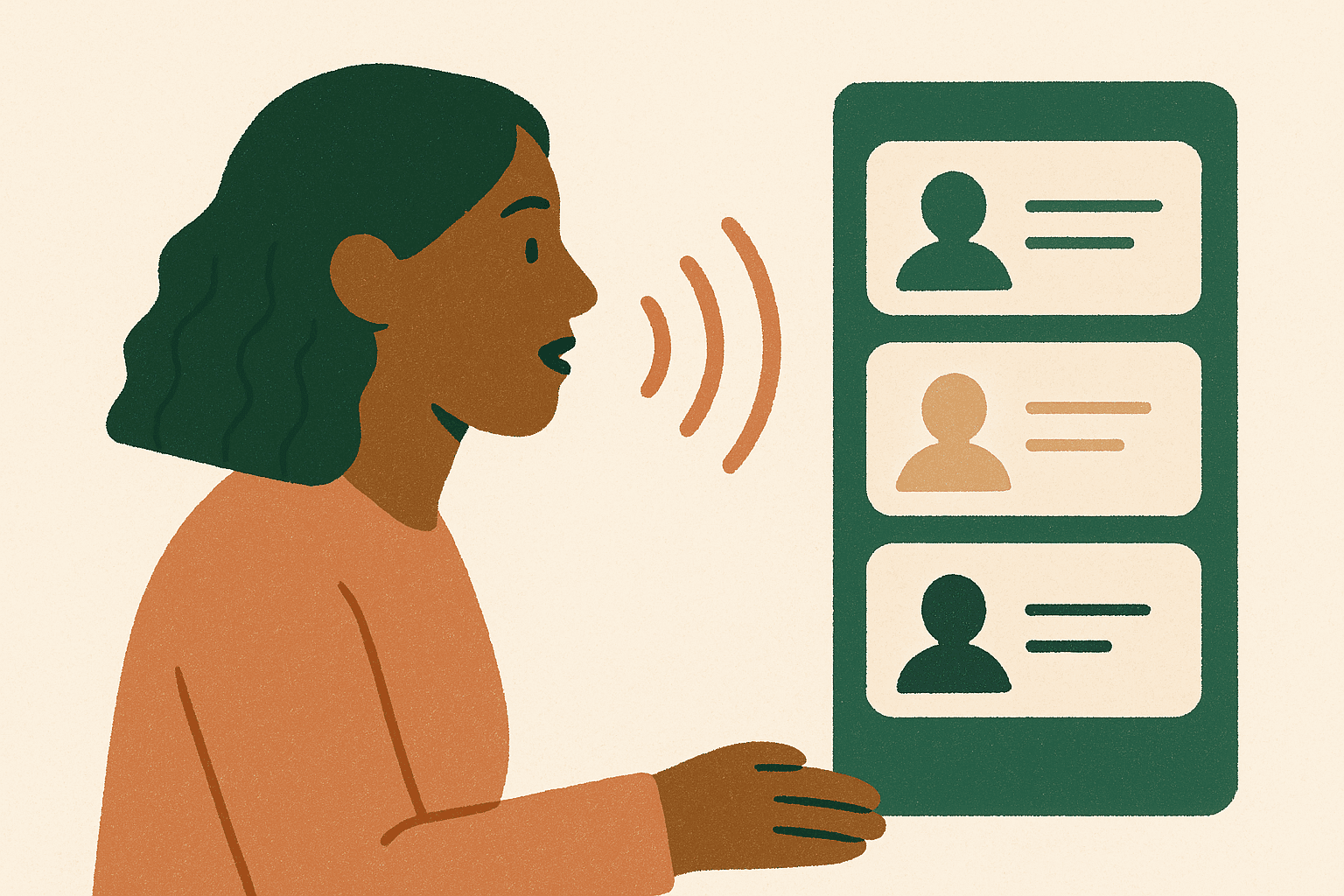
Here is a hard truth about big deals. The room where your deal gets the final yes is a room you are not in. Your champion is in there for you. They are speaking up for you when you cannot. So the real question is simple. Did you hand them something good to say? Most of the time, we do not. We leave our champion to argue the case from memory, alone. This lesson fixes that.
The mistake most people make
Most people lean on their champion and then go quiet. They have great calls, build real trust, and then send the champion off to "sell it internally" with nothing in their hands. No summary. No numbers. No clear story. So the champion tries their best. They half-remember your pitch. They get a tricky question and freeze. The deal stalls, and you never even hear why. You did the hard part. You just forgot the last step.
What good help looks like
Good sellers arm their champion. They give them a short, clear case the champion can pass around when you are not there. It is written in plain words. It leads with the result, not the features. Then they walk the champion through it, line by line, so the champion can say it in their own voice. Your champion should never have to guess what to say. You hand it to them.
How to do it

Build a one-page case they can pass around
Keep it to one page. Lead with the result, then the proof, then the cost of waiting. Make it easy to forward in an email or drop into a deck.
Here's a one-pager you can send your team. The headline is the result, the rest is your back-up.

Walk them through it so they can present it
Do not just send the page and hope. Get on a call and talk them through every line. Let them say it back to you, so the words become theirs.
Let's run through this together, so when someone pushes back, you've already got the answer.
See the difference
Thanks for the call, Sam. Can you take this to your team and see what they think? Then you attach a 20-slide deck full of features. Sam skims it, shares it, and hopes for the best. The room asks a hard question. Sam has no answer. The deal goes quiet.
Sam, I've put the case on one page. The headline is the result, then two proof points, then what it costs to wait. Let's spend ten minutes so you can say it in your own words. Then it's ready for your team. Now Sam walks in ready, not hopeful.
Same champion. Same deal. One version leaves Sam alone. The other sends Sam in armed. That is the whole difference.
How you'll know it's working
You have got this when your champion has something in their hands to sell with, even when you are not in the room. Ask yourself after each deal: could my champion make the case without me? If you handed them a clear one-pager and walked them through it, the answer is yes. That is how deals move forward in the rooms you will never sit in.
Questions people ask
How do you help a champion sell your deal internally?
Give them a one-page case they can pass around, then walk them through it so they can present it in their own words. Lead the page with the result the buyer wants, add two proof points, and end with the cost of waiting. The big mistake is leaving the champion to argue from memory with nothing in their hands, which stalls the deal in rooms you cannot enter.
What should be on a one-page deal summary for a champion?
Keep it to one page with three parts. First, the headline result the buyer cares about, in their own words. Second, one or two short proof points, like a number or a similar customer. Third, the cost of waiting or doing nothing. Make it easy to forward in an email or drop into a deck, so it travels without you.
Why does my deal stall after a good champion call?
Often the champion has nothing to use when they make the case without you. They half-remember your pitch, hit a hard question, and freeze. So the deal goes quiet. The fix is simple: hand them a short written case and walk them through it, so they are ready for the questions you will not be there to answer.
Should I send my champion a deck or a one-pager?
Send a one-pager. A long deck is easy to skim and hard to repeat. One page forces you to lead with the result and cut the rest, which is exactly what your champion needs to carry into a busy room. If they want detail, the back-up can follow, but the case they sell with should fit on a single page.
Hire with Assessment.
£7-10k flat fee. The methodology, delivered.
See Hire with Assessment